Businesses are identifying a growing need to understand and demonstrate their impacts and dependencies on nature. But turning complex ecological data into something decision-useful has long been a challenge.
We are relentlessly confronted with new data on tipping points and an ever worsening ecological crisis, which is increasingly translating into business risk. We know that urgent change is needed to reverse these negative trends, and that assessing nature-related impacts and dependencies is key to identifying risks and opportunities. Which is why the Nature Positive Initiative has been working to align globally on metrics that measure the state of nature.
Piloting state of nature metrics
Over the last two years, the Initiative has been building consensus around a small number of metrics to address this challenge. Following the development of an initial metrics set, the next key question to address has been: can they practically be applied in ways that are decision-useful?
Companies from a wide range of sectors participated in the State of Nature Metrics terrestrial piloting programme in 2025 to test a first draft set of state of nature metrics in over 50 sites across the world. They shared detailed feedback that then shaped an iterated set of metrics and guidance for a final public consultation in March 2026, to ensure the metrics were practical, applicable and ready for wide adoption once finalized. The variety of use cases, geographies and sectors added a lot of value in testing whether the metrics could be universally applied in different contexts to ensure they would be scalable, whilst also providing different levels of granularity depending on the maturity level of the organization and the data sets available to ensure companies could start to measure nature outcomes at any stage or size of organization. 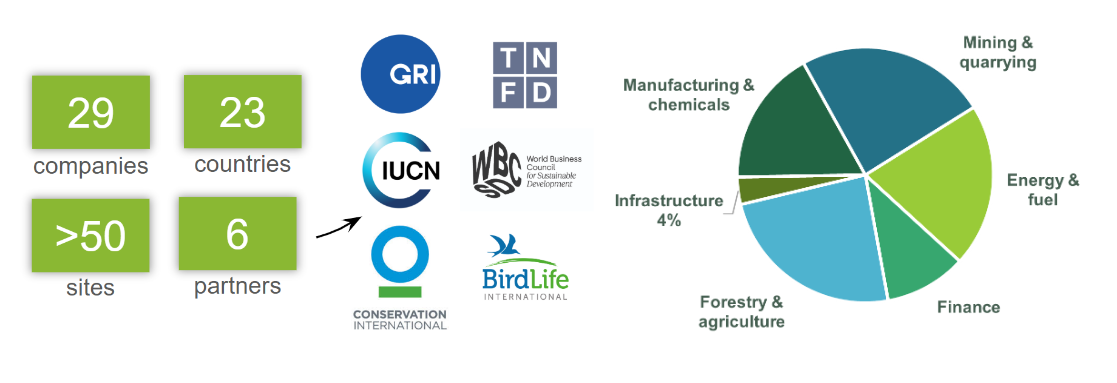
Here we take a closer look at some of the companies involved, their experiences of using the metrics, how useful and usable they will be for their organization, and how their valuable inputs helped revise the metrics set to ensure greater practicality while ensuring their robustness.
This article highlights feedback from piloting companies on the following areas:
- Starting where you are: building from existing data
- Scaling up and usability: making your way up the granularity levels
- Increased transparency: standardization enhancing comparison
- Insightful business decisions: taking action for nature
- Credible disclosures: supporting investment plans
Starting where you are: building from existing data
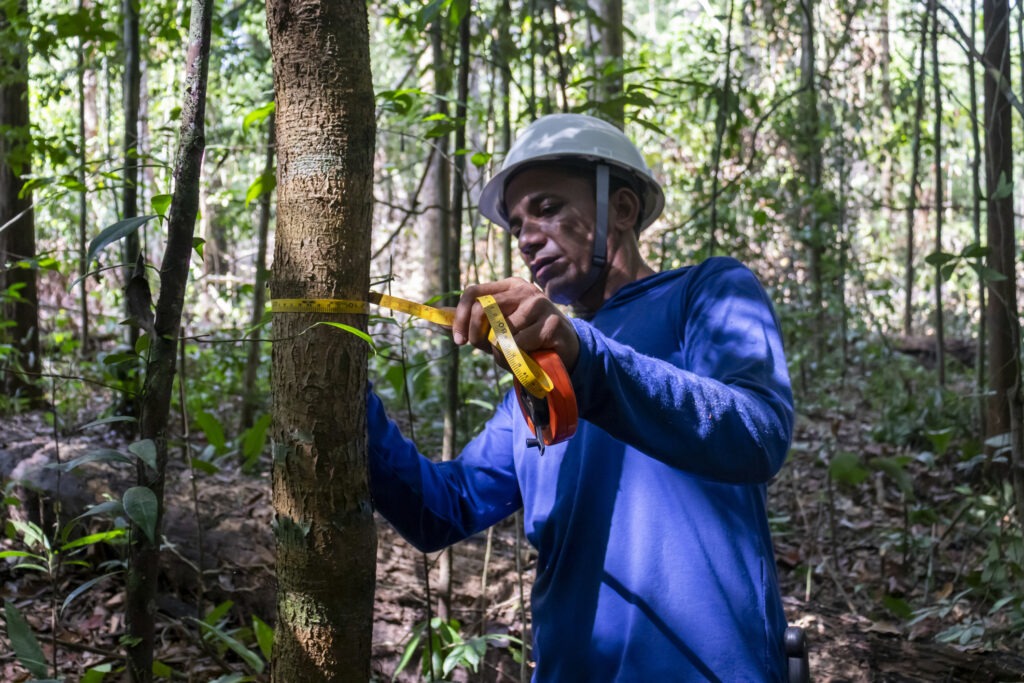
One of the themes that emerged from the piloting was that companies were not starting from scratch. Many are already looking at how to lower their impact on the natural world or setting biodiversity targets, making it more practical to integrate State of Nature Metrics into their business models.
For example Holcim, working at quarry and cement sites in Mexico and Costa Rica, built on its existing Biodiversity Indicator and Reporting System (BIRS) assessments and site-level biodiversity management plans. Mining company Vale similarly used information and understanding gathered from TNFD impact assessment and GRI 101 Biodiversity reporting in Brazil’s Carajás region.
Scaling up and usability
Another point of alignment from the piloting was the support for a phased approach to increase over time the level of data used. Companies can therefore begin straight away with existing or public datasets, then improve robustness as knowledge and site data evolves.
Pilot companies emphasized how a scaling up approach made the metrics more useful and immediately applicable to companies. Holcim and Sibelco noted that adopting new indicators takes time, training and prioritization.
Meanwhile, paper and pulp company Suzano took steps to improve existing indicators to accurately reflect the outcomes of its restoration efforts and next generation biofuel company LanzaJet partnered with a prospective supplier to build up an enhanced picture of the state of nature from different data sources, combining satellite imagery, AI modelling and field validation across feedstock landscapes in Borneo.
A key feature of the state of nature metrics guidance is the use of granularity levels, to help companies on their metrics adoption journey from initial preparatory steps through to measuring with a high level of precision. The feedback provided by piloters has helped refine those granularity levels further.
Clear data making comparison straightforward
A key benefit identified across the pilots is standardization.
Holcim highlighted that the metrics provide a comprehensive and a standardized approach to assessing the state of nature, not only across its own sites but also between companies and sectors. Vale noted results are strengthened by transparent decision-making and calibration. This comparability is essential for companies operating across multiple geographies.
For Sibelco, the metrics show that the Group is going well beyond the minimum and is proactively managing nature impacts, which in turn can give companies more confidence to communicate positively about their sustainability efforts.
Using the metrics allows decision-makers to:
- Identify high-risk or high-priority sites
- Allocate resources more effectively
- Track progress against biodiversity goals
In short, the metrics help translate diverse ecological contexts into a common decision framework.
Action for nature through business decisions
For many, the most important outcome of using the metrics will be whether they support real business decisions.
For LanzaJet, the application was immediate: using the metrics to guide responsible land selection for sustainable aviation fuel feedstocks. Holcim pointed to similar decision-usefulness at site level, where the metrics help identify what improvements are needed, how to prioritize them, and how to deliver them. Vale emphasized their role in ongoing management and performance tracking, supporting decisions with transparent decision-making and calibration in one of the world’s most biodiverse regions.
The metrics have also enabled Suzano to confirm the presence of threatened species in the pilot area, underscoring the need for targeted restoration actions and collaborative, landscape-level initiatives.
From the pilot programme there are already examples of how the metrics enabled companies to move from abstract commitments to targeted, evidence-based actions that are in line with global commitments.
Supporting credible disclosures
Beyond internal decision-making, the pilots also demonstrated the value of the metrics for external reporting and stakeholder engagement.
Sibelco highlighted that State of Nature Metrics facilitate better estimations of nature-related impacts, risks and opportunities.
LanzaJet and Suzano noted that the framework helps create traceable, defensible and transparent evidence for investors, regulators and customers, while aligning with emerging standards such as TNFD, SBTN and GRI. Vale highlighted that tracking and documenting methodological decisions helps reduce greenwashing risk and supports trustworthy disclosure.
This combination of scientific robustness and practical application is key. It allows companies to:
- Substantiate nature-related claims
- Demonstrate progress towards nature-positive goals
- Build confidence with stakeholders
Conclusion: A decision-useful framework that works
As companies move from ambition to implementation, State of Nature Metrics offer a practical pathway to make nature visible in decision-making and, ultimately, to help drive the transition to a nature-positive economy.
Measuring the state of nature is about more than just reporting. It is about enabling better and more strategic business decisions – where to operate and source inputs to your business, how to manage impacts, and where to invest in restoration and regeneration.
The pilot stage of the State of Nature Metrics programme allowed the metrics to be put to the test by companies and financial institutions. Feedback has been incorporated into the final set of metrics which was issued for consultation in February and March of 2026 and will be available through a full report later this year.
If you want to learn more about these stories, read the case studies here and join our upcoming events at:
- Nature Action Dialogues on 12 May – “Nature measurement speed dating: Case studies from the field”
- London Climate Action Week in June – Reset Connect, “Putting Nature Metrics into Action”
- Global Nature Positive Summit, Kumamoto, Japan on 14-16 July – more here.
Sign up to our newsletter
You may
Also like...
-
Response to the earthquake in Kumamoto, Japan
Nature Positive Initiative and IUCN-Japan respond to the earthquake
naturepositive.org -

Record private sector participation in Global Nature Positive Summit highlights importance of nature to business
The second Global Nature Positive Summit concluded today in Kumamoto, Japan, with participating organizations adopting the Kumamoto Declaration.
naturepositive.org -
The Kumamoto Declaration
The Kumamoto Declaration is announced at the Global Nature Positive Summit in Japan.
naturepositive.org