From Curitiba to Yerevan: Twenty years of the Island Biodiversity Programme of Work, and the conservation finance solutions that made island commitments last
Location: Small Room
Organizers: The Pew Charitable Trusts, Global Island Partnership (GLISPA), Caribbean Biodiversity Fund (CBF)



Twenty years after Parties agreed that island biodiversity needed adequate resources, what does the finance that actually worked look like — and how do we put more capital through it?
In March 2006, at COP8 in Curitiba, Parties adopted the first and only programme of work devoted entirely to island biodiversity. It set out priority actions across seven focal areas. Six of them concerned what islands should do. The seventh concerned whether they would be able to have the resources to implement it.
Twenty years on, that seventh focal area turns out to have been the decisive one. Islands went on to make some of the most ambitious area-based commitments in the Convention’s history — the Micronesia Challenge, the Caribbean Challenge Initiative, the Aloha+ Challenge, the BEST Challenge, the Seychelles debt conversion. Some of those commitments are still delivering two decades later. Others evolved. The difference between them was just ambition, capacity or political will. It was also whether a durable financial institution was built to support implementation of the commitment.
This session brings to Yerevan the institutions that were built: the conservation trust funds, endowments, debt conversions and grant facilities that island states and territories now use to finance nature. Together they form a working answer to a question every Party in the room is facing — not how to set a target, but how to pay for it for the next thirty years.
-
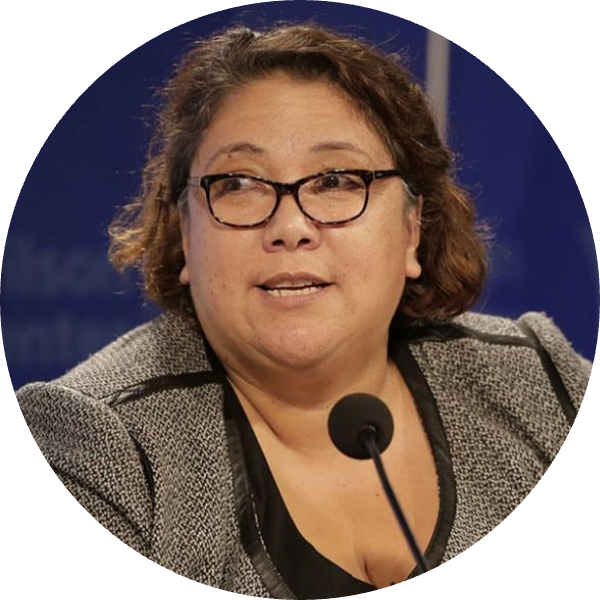
Kate Brown
Exec. Dir., GLISPA
(Moderator)
-
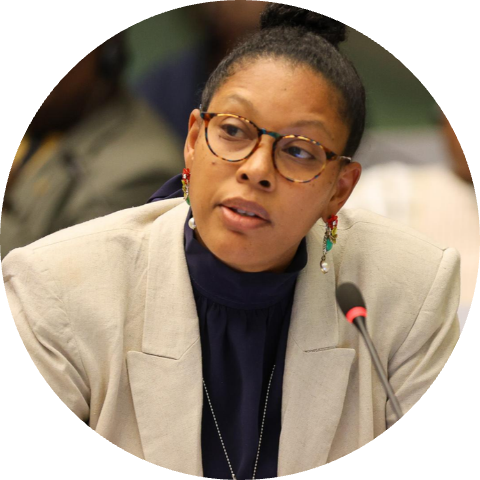
Safiya Sawney
Special Advisor, Ocean, Biodiversity and Climate Policy, Government of Grenada and GLISPA Board Chair
-

Karen McDonald Gayle
CEO, CBF
-

Hanung Cahyono
Deputy Executive Director, Coral Triangle Initiative
-

Leigh Morris
Council Member, UK Overseas Territories Conservation Forum (UKOTCF) –