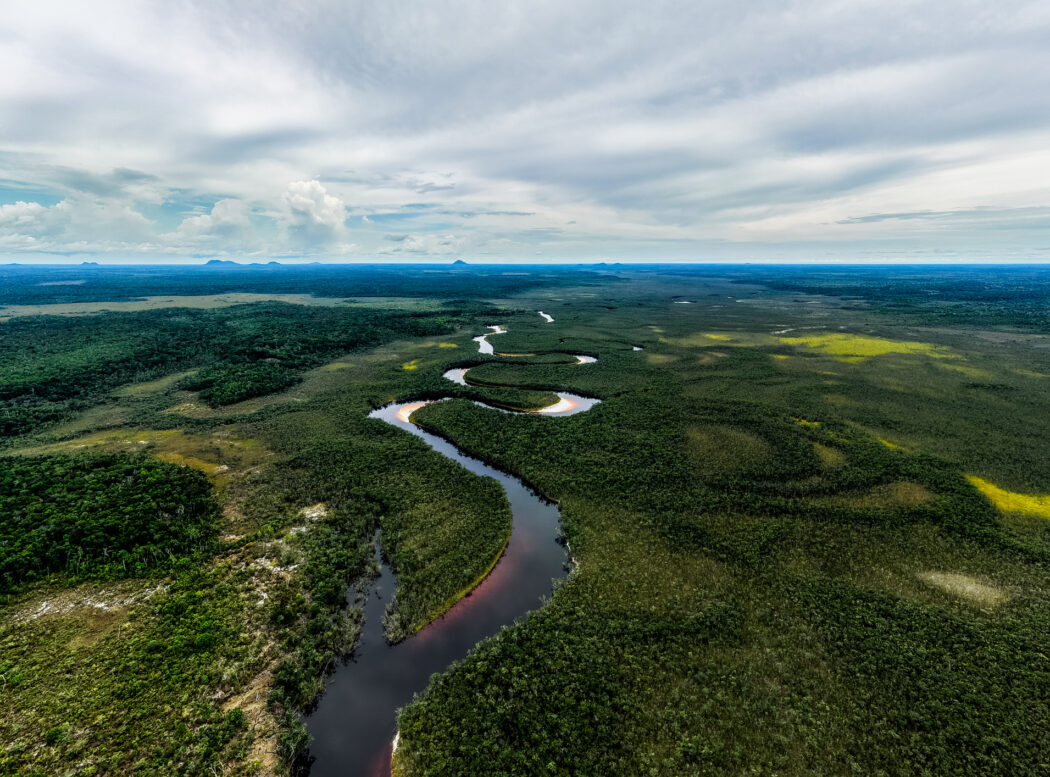
Last chance to review: finalizing a state of nature metrics framework
Over the past almost two years, the Nature Positive Initiative has been working with partners to build wide consensus and align around one set of state of nature metrics to determine nature-positive outcomes. Now the final consultation is here.
The road to a nature-positive future
Nature Positive is a global societal goal defined as ‘halt and reverse nature loss by 2030 on a 2020 baseline, and achieve full recovery by 2050’, outlined in the Kunming-Montreal Global Biodiversity Framework. Delivering this goal requires measurable, net-positive biodiversity outcomes through the improvement in the abundance, diversity, integrity and resilience of species, ecosystems and natural processes.
But what does that look like in practice? There exist over 600 ways to measure nature or the state of nature, and so the Nature Positive Initiative set out on a mission to build consensus on one minimum, aligned set of measurable indicators and metrics for wide adoption. This set will help to streamline monitoring and will give users a relevant and robust framework to measure and track changes in the state of nature, providing a gauge on whether overall we are on track to achieving a nature-positive world, or more work is needed.
Building consensus for greater action and ambition
A consistent understanding of the state of nature, and whether activities are overall having a positive or negative effect on nature, is crucial in order to contribute to its recovery. Many organizations, businesses and financial institutions are setting nature targets and nature strategies, often including pressure and response metrics, and measuring the state of nature provides the final piece to create a full picture of the overall recovery of an ecosystem.
The final State of Nature Metrics framework is intended to fill gaps in existing and emerging nature standards, and provide clarity and confidence in the actions taken. It should inspire positive change to tackle the terrifying loss of nature we are seeing – and also establish a basis for credible assessment, disclosure and legitimate recognition of the user’s contribution to nature-positive outcomes.
From assessing hundreds of metrics to agreeing on one minimum set
Nature is complex. And there are many, many ways to measure it. But, with careful consideration, extensive consultation – both physical and virtual – and many conversations, consensus is building behind a few key indicators to understand the state of nature at both the site and landscape scale. These indicators can be measured by one or more metrics, and the framework encourages users to increase their level of detail as and when possible.
Looking at different ecosystems
The first draft set of metrics was developed with a focus on terrestrial ecosystems. Since June 2025, the Nature Positive Initiative has widened its reach by working with the World Economic Forum and Ocean Risk and Resilience Action Alliance to assess the applicability of the framework for the marine realm and fill any gaps needed to support its implementation in marine ecosystems. A parallel process has also been carried out for applicability in the freshwater realm, with a focus on ensuring the metrics could be used to provide a holistic assessment of the state of a site or landscape.
Within the final consultation pack – the key document for those wishing to have their say on the metrics – there is further detail about the scope and rationale behind this process, as well as an executive summary of guidance to support understanding of how all metrics can be implemented.
Testing the metrics in a real-life situation
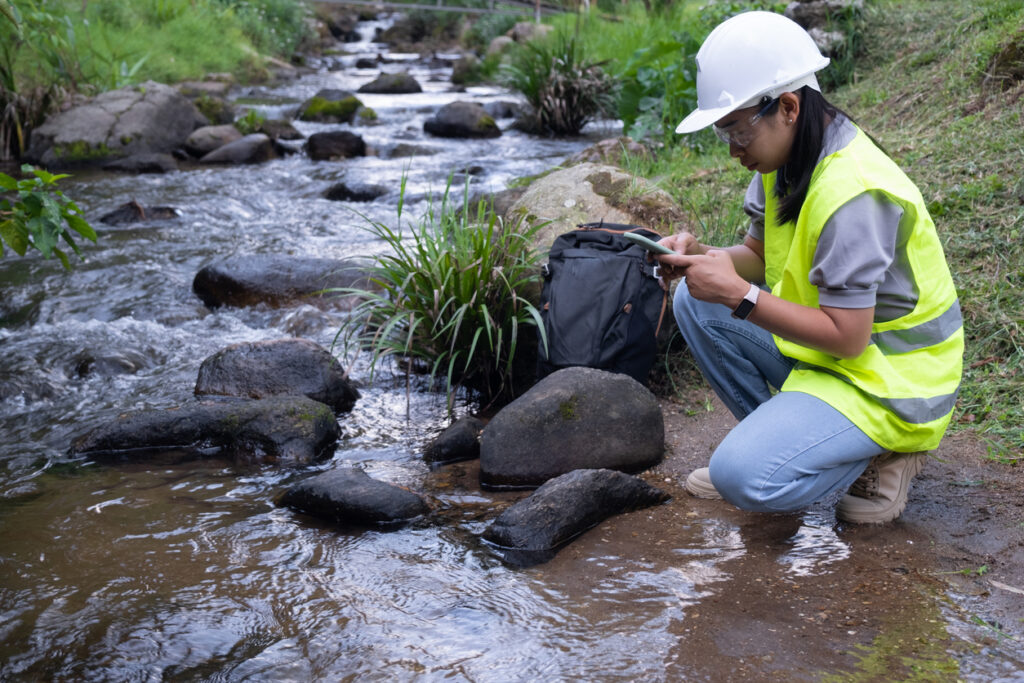
In 2024, the first draft of a state of nature metrics framework was produced for public consultation, with feedback incorporated to improve the robustness of the metrics. In 2025, a pilot programme was run with around 30 companies and financial institutions in more than 50 sites, across geographies and sectors, who put the improved draft terrestrial framework to the test.
Piloting is a vital part of testing any theoretical framework to ensure that it achieves its objectives. Testing with businesses and companies allows us to see whether it is practical, comprehensive and decision-useful for assessing and achieving nature-positive outcomes.
The Nature Positive Initiative is immensely grateful to all participants in the piloting programme. Running May to October 2025, it covered a broad range of sectors, use cases and geographies. Each participant was paired with a partner in one of six core Initiative organizations to help guide their approach and also understand how the framework would integrate with other standards.
Based on science and practical for action
In 2026, the learnings from all the work to date, as well as further expert review, have been integrated to produce a refined framework for any final inputs. This will bring us to the end of a two-year process, with the final metrics then available for use such as through embedding in disclosure and target setting frameworks.
The final consultation launches on 11 February 2026 and is open for six weeks. It is vital that the final set of metrics, once ready, is useful for all stakeholders so that it can drive the much-needed action to halt nature loss.
Metrics for measuring nature-positive outcomes can unlock and accelerate much-needed action. The final steps of this consensus-building process actually mark the beginning of a new journey – the adoption of an aligned set of metrics and to deliver measurable and impactful change against them.
Find out more about the final consultation here.
Join us on this journey by sharing your views in the consultation, becoming a member of the Nature Positive Forum and most importantly taking action in your own organization today.
Sign up to our newsletter
You may
Also like...
-
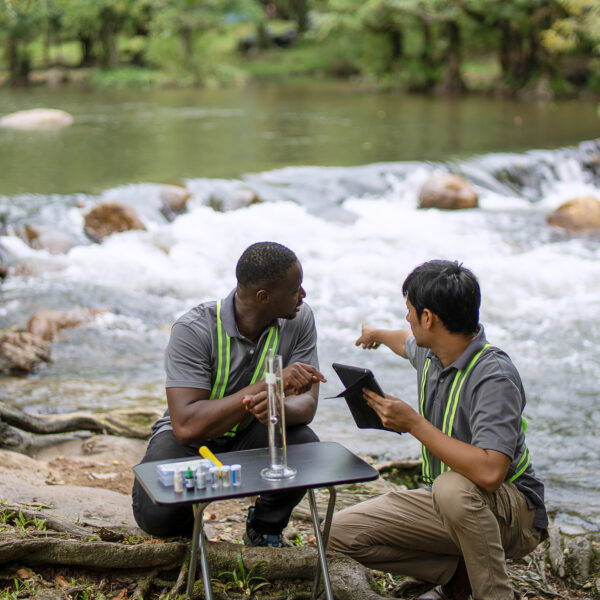
Insights from piloting the draft terrestrial State of Nature Metrics
In 2025, the Nature Positive Initiative worked with partners to pilot test the draft terrestrial State of Nature Metrics. Find out how this informed the final draft State of Nature Metrics.
naturepositive.org -
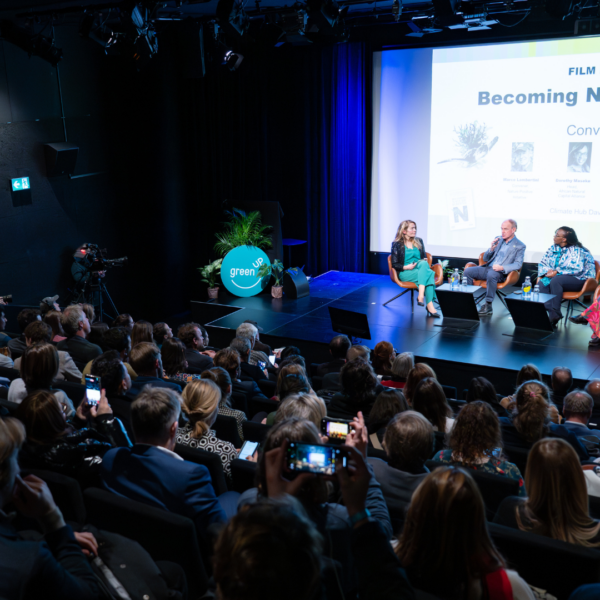
Davos amidst polarization: nature still stands strong
Updates from the Nature Positive Initiative in Davos this year, during the World Economic Forum's Annual Meeting.
naturepositive.org -
New film ‘Becoming Nature Positive’ premieres in Davos
A new short film, ‘Becoming Nature Positive’, is being screened for the first time today at a special green carpet première event at Climate Hub Davos in the Kulturplatz cinema, coinciding with the World Economic Forum’s Annual Meeting.
naturepositive.org