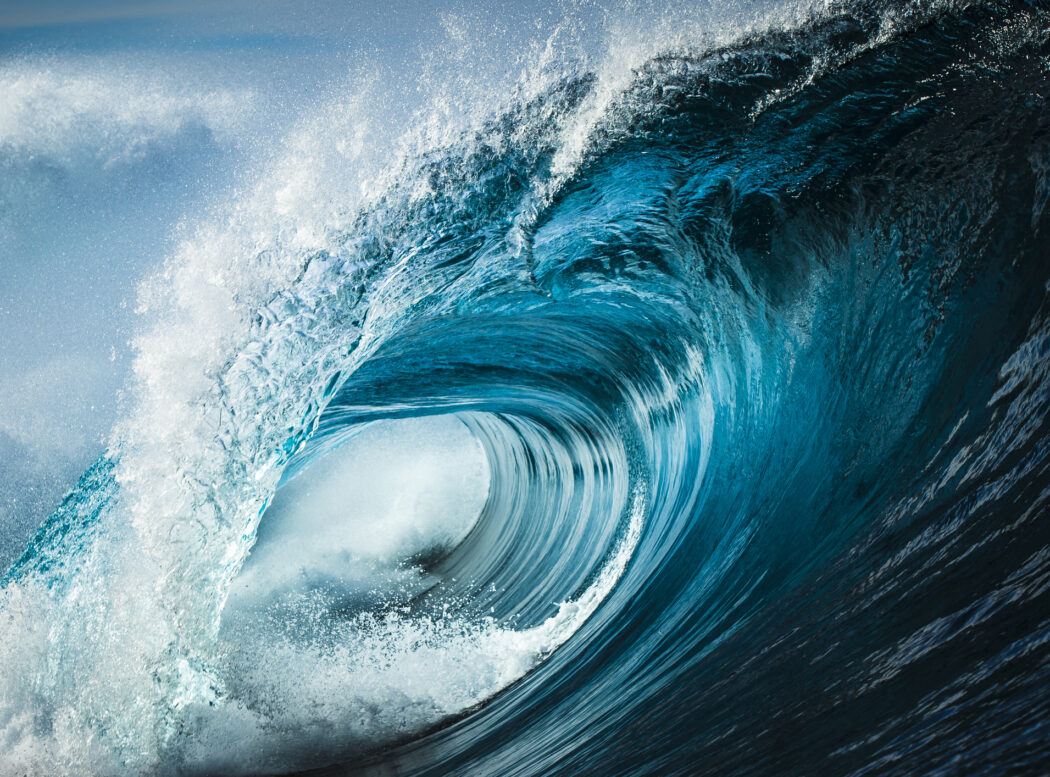
Towards shared marine metrics: measuring nature-positive outcomes for the ocean
Over the next year, the partnership between the Nature Positive Initiative, the Ocean Risk and Resilience Action Alliance (ORRAA) and the World Economic Forum will work towards a collaborative roadmap in building consensus on marine state of nature metrics.
A thriving ocean is fundamental to the stability of the planet and our future. It is that existential. Yet we continue to destroy marine life and the ecosystems that support it through pollution, overfishing, habitat destruction, and the twin climate-related drivers of ocean acidification and a warming world.
Another world is possible – one where we not only halt this trend, but reverse it and invest in ocean regeneration, sustainable use and protection. A nature-positive world. This requires a profound transformation of the way we see and value the ocean, as well as the way we live our lives and run our economy.
We know what to do: protect more, restore as much as possible and transition from ocean-negative to ocean-positive practices. Momentum is growing, but an important question remains unanswered undermining progress: how do we assess whether marine life is actually recovering? How do we assess whether we are moving the needle on ocean health? There are many ways to measure this, though until now there has been no consensus on a universal approach to measuring ocean recovery in order to drive action at scale and increase accountability in governments, society and business.
Recognizing this critical gap, the Nature Positive Initiative, the Ocean Risk and Resilience Action Alliance (ORRAA) and the World Economic Forum have joined forces to build consensus on a globally aligned framework of metrics that can guide ocean actors – including policymakers, businesses, financial institutions and communities – toward measurable, credible and science-based progress.
Over the next year, the partnership will work towards a collaborative roadmap in building consensus on marine state of nature metrics.
Building aligned metrics from the ground up
Setting the foundations for an inclusive process is crucial to the success of this consensus-building exercise. In June 2025, the partners launched this project on the sidelines of the third UN Ocean Conference in Nice, France. A public session and an expert roundtable convened a diverse group of stakeholders to explore the ocean metric landscape and to refine the project scope. We then undertook a landscape assessment to fully understand existing metrics and frameworks, and to identify gaps and areas in need of better harmonization.
The landscape assessment and initial stakeholder engagement sessions validated the primary gap – to build consensus on marine state of nature metrics.
In addition to the landscape assessment, we are also able to build on the experience gained through aligning around one set of terrestrial state of nature metrics, currently in the piloting phase. The goal is to balance scientific rigour with real-world application across sectors, and the outcome will also help steer the development of metrics for the ocean.
Collaboratively, develop metrics that drive ocean-positive outcomes
A dedicated technical working group will engage with specialists in academia, business, finance, conservation, standard setting and Indigenous knowledge via webinars, workshops and written input to produce a draft marine metrics framework by November 2025.
The draft marine metrics framework will be open for a wider public consultation phase to encourage broad input and provide a vital opportunity for global stakeholders to help shape a practical and credible tool for nature-positive ocean action. Feedback from the public consultation phase will be analyzed and incorporated into a refined version of the framework in the first quarter of 2026. As with terrestrial metrics, this phase is crucial to secure the support of the broad ocean community.
From there, the metrics will be available for piloting. The group will design a pilot testing phase with partners and companies to embed and scale the framework in real-world scenarios, ensuring that the metrics are fit for purpose. This will include the development and testing of technical guidance alongside testing the metrics, and honing as necessary.
In due course, the marine state of nature metrics will be available to embed in various standards, frameworks and guidance, such as disclosure and target-setting frameworks.
The ambition is for this framework to become a globally recognized tool that informs policy, investment, conservation and corporate action for a healthier ocean. Measuring ocean health through one aligned framework will allow for a better understanding of our impact on ocean biodiversity. It will help everyone work together, across sectors and geographies, to protect the ocean and restore its resilience, and the vital lifeline for survival and prosperity that it gives people today and future generations.
Get involved
This is a collaborative process and its strength lies in the voices shaping it. We invite all interested parties to engage – please register your interest via this form.
To stay up-to-date with the latest developments and updates, join the Nature Positive Forum here or sign up to the newsletter here.
Visit our partner websites:
Sign up to our newsletter
You may
Also like...
-
Last chance to review: finalizing a state of nature metrics framework
Over the past almost two years, the Nature Positive Initiative has been working with partners to build wide consensus and align around one set of state of nature metrics to determine nature-positive outcomes. Now the final consultation is here.
naturepositive.org -
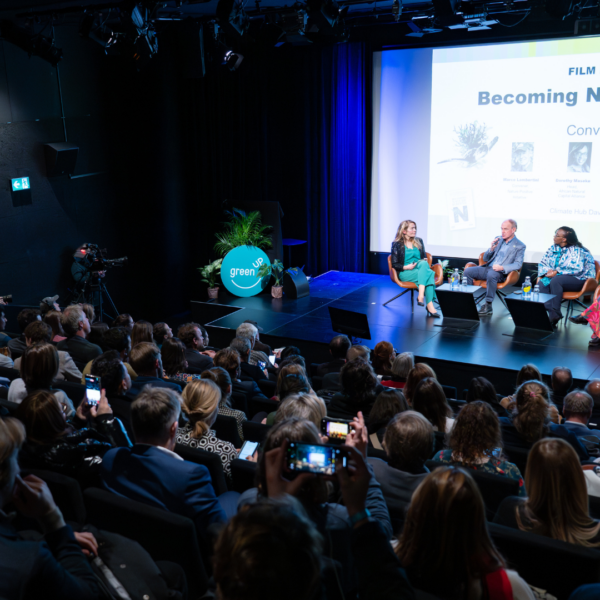
Davos amidst polarization: nature still stands strong
Updates from the Nature Positive Initiative in Davos this year, during the World Economic Forum's Annual Meeting.
naturepositive.org -
New film ‘Becoming Nature Positive’ premieres in Davos
A new short film, ‘Becoming Nature Positive’, is being screened for the first time today at a special green carpet première event at Climate Hub Davos in the Kulturplatz cinema, coinciding with the World Economic Forum’s Annual Meeting.
naturepositive.org