Halting and reversing biodiversity loss is the mission of the UN’s Global Biodiversity Framework, agreed by 196 countries: the Nature Positive goal. But how do we know if we are on track to achieve this mission? This is a fundamentally important question to answer in order to drive action and fulfill the goal and is why the Nature Positive Initiative and partners are focusing on building a broad consensus on how to measure the state of nature.
Over the past year, we have made important strides in developing a set of state of nature metrics for terrestrial ecosystems that can be used consistently across geographies, sectors and scales. This is not just another technical framework. We are seeking consensus on the best approach, built on decades of learnings from scientists and practitioners, to be embedded in a consistent way within existing frameworks and standards to ensure credibility, comparability and most importantly action that leads to genuine nature-positive outcomes.
Nature is complex and poses challenges for accurate and affordable measurement. At the same time, we need common tools to measure progress towards a nature-positive future and companies are being urged to report their impacts and dependencies on nature, which in turn can help them understand related risks to their business as well as explore potential new business opportunities.
The process to develop and align state of nature metrics is quickly evolving with a large piloting programme currently underway to put them to the test. There remain some spaces to fill, notably in the marine realm, for freshwater ecosystems, and what companies and organizations can say or claim regarding their progress to halt and reverse nature loss.
Terrestrial first: a shared framework for land-based ecosystems
Our first step has been to develop a set of metrics to track the state of terrestrial ecosystems. So far this process has engaged over 700 stakeholders and received more than 130 technical written inputs. We expect to widen that net in the next stages, bringing in more experts and in different fields.
The output, shaped by input from across the science and policy community, defines a common approach to measuring three key dimensions: ecosystem extent, ecosystem condition (at landscape and site level), and species extinction risk. Read more about the four key indicators here.
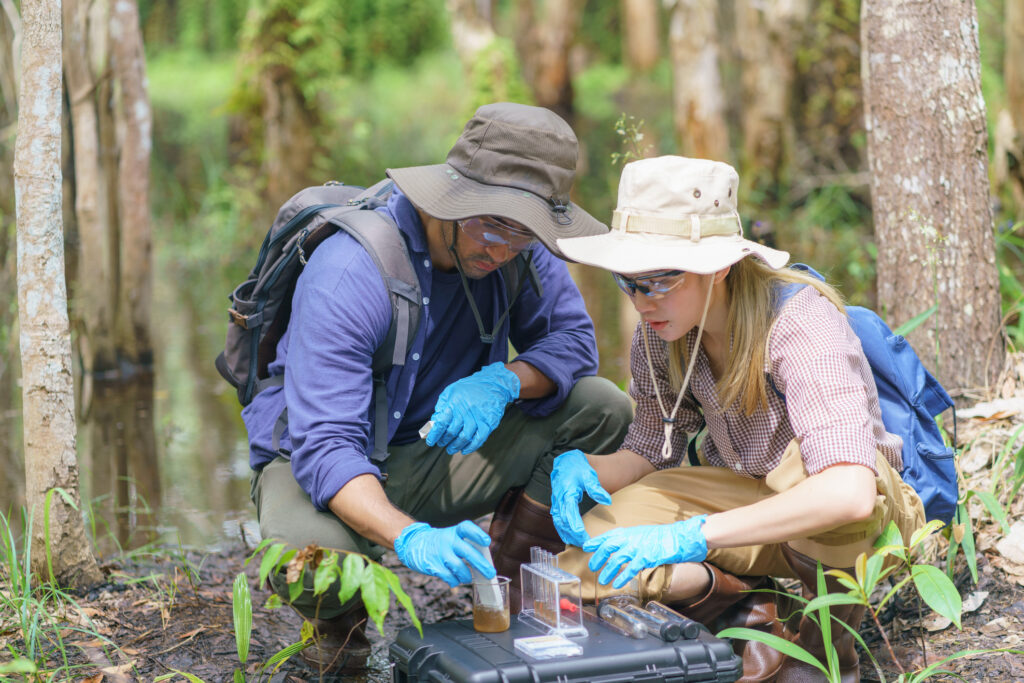
These indicators and their respective metrics are now being tested for applicability via a piloting programme with a variety of businesses and financial institutions in 32 countries. There are several challenges to overcome, including data availability or accessibility for certain regions, operating in mixed landscapes and lacking location specific information or GIS expertise. The objective of piloting the metrics is to identify these challenges and address them. Companies firstly need to understand their impacts on nature. They then need to develop responses to avoid and mitigate them. And finally they need to measure the outcome of their responses to ensure they have been adequate to help nature’s protection and recovery. This is crucial to understand the mounting risks of climate and nature degradation impacts – and the disruption these can bring to supply chains and business continuity – in order to plan accordingly and deliver genuine nature-positive outcomes. The State of Nature Metrics will empower companies to drive and demonstrate their contribution to halt and reverse biodiversity loss, the Nature Positive global goal.
Filling the gaps: freshwater and ocean
The next step is extending this framework beyond land.
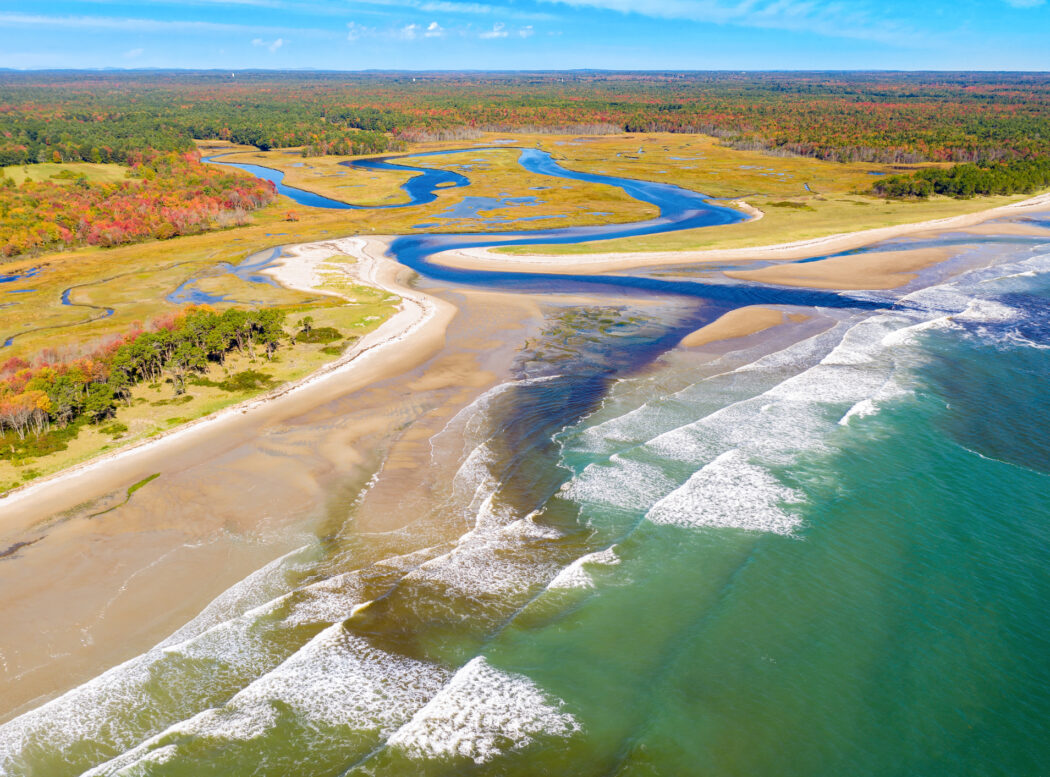
Freshwater ecosystems – rivers, wetlands, lakes and streams – are among the most threatened; they are also deeply interconnected with terrestrial systems. Rather than developing an entirely separate set of metrics which would not be practical from a user perspective, the Nature Positive Initiative is integrating freshwater indicators into the terrestrial framework. We are currently examining where the terrestrial metrics fall short in relation to freshwater systems, and then working with technical experts to ensure that the right measurements to determine healthy freshwater ecosystems are captured in the existing metrics structure.
Then there’s the ocean. This is the biggest missing piece in our current understanding of nature’s state. The ocean covers more than 70% of the Earth’s surface, and harbors more than 90% of biomass on the planet. Ocean ecosystems face multiple pressures, from over fishing and pollution to habitat degradation. Accessing consistent, comprehensive data across these vast open waters is a significant challenge. But it’s not just about data gaps, it’s also about a fundamentally different context.
The Nature Positive Initiative has teamed up with the World Economic Forum and the Ocean Risk and Resilience Action Alliance (ORRAA) to work with marine scientists, NGOs, ocean practitioners, business and financial institutions that are part of the blue economy, and others, to co-develop a set of metrics for marine biodiversity.
Measuring nature-positive outcomes in the ocean will be challenging, but it is absolutely essential. It’s not just the people who live and work on, in and around the sea who depend on a healthy ocean, but all of us. The ocean generates oxygen, absorbs carbon dioxide emissions and captures excess heat generated by these emissions, provides food security, regulates the weather. If it ceases to function, the whole planet is at risk, including our immediate future.

Scaling use, building trust
For metrics to drive real change, they need to be backed up by accessible data and need to be adopted at a global scale. That’s why partnering with global initiatives on nature disclosure like the Taskforce for Nature-related Financial Disclosures (TNFD), biodiversity standards like the Global Reporting Initiative (GRI), and target-setting like the Science Based Target Network (SBTN), is so crucial.
By incorporating state of nature metrics within different frameworks, the use of these common metrics will begin to scale across sectors. It complements existing pressure and response metrics used by companies to ask whether their investments to reduce pressures on nature are having the desired and optimum positive outcomes. This in turn incentivizes data owners and developers to provide data of most relevance to these metrics, helping simplify processes, providing user-friendly and credible data solutions, and also driving down costs for users.
Metrics and data need to be widely available so that relevant data is within reach of all companies – and so that the whole economy can understand their impacts and dependencies on nature, and take action to address the risks and opportunities for their businesses.
The EU’s Corporate Sustainability Reporting Directive is currently undergoing a process of simplification, in part due to the complexity of nature reporting. If the wider nature community does not heed this challenge, then the vast majority of companies will not engage, and regulators are unlikely to step in. Meanwhile the International Standards Sustainability Board (ISSB) is currently weighing whether to recommend including reporting on nature as part of the financial accounting system globally – which we think is essential.
Eliminating greenwashing and greenhushing
To maintain the integrity of the term Nature Positive and to ensure action is both effective and meaningful, it is vitally important to manage the risk of greenwashing.
False or over-stated claims can rapidly erode the trust and momentum of the term, resulting in reduced action on nature and its continued decline. On the other hand, the increased scrutiny of corporate environmental performance in recent years has also driven the development of a counter-trend: “greenhushing”. This is where the negative legal and reputational risks relating to making nature-related or other ESG disclosures are considered to outweigh the positive benefits, and so companies choose to continue their work behind closed doors. The impact of green-hushing can be a perceived lack of momentum around nature, again reducing the pace of much-needed action by peers or other stakeholders.
To address both of these cases, clear and auditable guidelines are needed relating to how nature-positive outcomes should be circumstantiated. This is needed for companies to feel secure in what they are saying, motivated in scaling up action and fairly recognised. This is why the Nature Positive Initiative is also working on guidance around nature positive claims – what it means to say you’re contributing to nature recovery, and how to do so with high integrity and credibility. Logically, this conversation can only happen once we have agreed on a set of outcome (state of nature) metrics on which any claim should be based on in order to be credible.
The intention for the whole project to align metrics and provide guidance on claims is to provide users – from global companies to local authorities – with a framework to show how their actions fit within the broader nature positive global goal. They will be able to identify where they can improve, and transparently report, progress using the same common language. Inevitably, this will support meaningful contributions to a sustainable future – a world where nature and people thrive together.
Join these efforts and contribute to boost action towards a nature positive future. Find out more and stay up to date with progress and upcoming consultations by joining the Nature Positive Forum.
Sign up to our newsletter
You may
Also like...
-
Last chance to review: finalizing a state of nature metrics framework
Over the past almost two years, the Nature Positive Initiative has been working with partners to build wide consensus and align around one set of state of nature metrics to determine nature-positive outcomes. Now the final consultation is here.
naturepositive.org -
Davos amidst polarization: nature still stands strong
Updates from the Nature Positive Initiative in Davos this year, during the World Economic Forum's Annual Meeting.
naturepositive.org -
New film ‘Becoming Nature Positive’ premieres in Davos
A new short film, ‘Becoming Nature Positive’, is being screened for the first time today at a special green carpet première event at Climate Hub Davos in the Kulturplatz cinema, coinciding with the World Economic Forum’s Annual Meeting.
naturepositive.org